What is a Working at Heights Course?
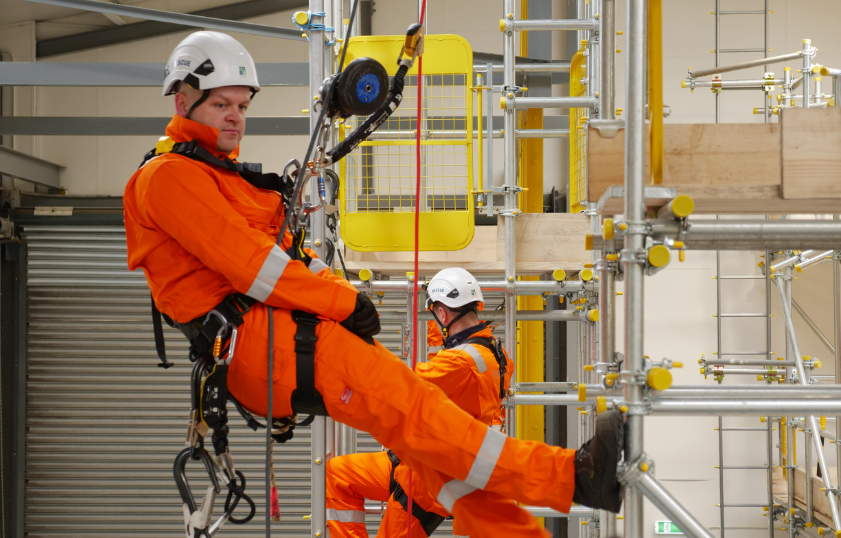
A working at heights course is a nationally recognised training program designed to teach workers how to safely perform tasks where there is a risk of falling. Falls are one of the leading causes of workplace injuries in Australia, which is why proper training is essential. This course gives workers the skills and knowledge to identify hazards, use the right safety equipment and follow safe work procedures when working above ground level.
Why Working at Heights Training Matters
Working at height is common in industries such as construction, roofing, warehousing and maintenance. With fall risks present in many environments, employers must ensure workers understand how to minimise hazards and follow safe systems of work. Training also supports WHS compliance by ensuring workers have the competency to assess risks, select appropriate equipment and prevent accidents.
What a Working at Heights Course Covers
A working at heights course provides both theoretical knowledge and practical skills. You learn to identify fall hazards, complete risk assessments and follow safe work methods. The training covers fall prevention strategies, fall arrest systems, correct ladder use and how to work safely on scaffolds and platforms. Emergency procedures, including rescue methods, are also an essential part of the course.
See also: where to find businesses for sale
Who Needs to Complete Working at Heights Training?
Working at heights training is required for anyone who may be exposed to fall hazards in their job. This includes construction workers, roofers, maintenance staff, warehouse teams and contractors who work above ground level. If you are unsure whether your role requires this training, you can explore a working at heights course to understand the types of tasks it applies to.
National Recognition and Certification
The RIIWHS204E Unit of Competency
Most working at heights courses are based on the unit RIIWHS204E Work Safely at Heights. This unit is nationally recognised across Australia, meaning the certification you receive is accepted in all states and territories. It ensures you meet the standard required for working safely in elevated environments.
Certificates You Receive After Training
Upon completion, you receive a Statement of Attainment confirming your competency in the national unit. Many employers require this certification before allowing workers to complete tasks at height. While the certificate does not have a formal expiry, refresher training is often recommended.
How Working at Heights Training is Delivered
Face to Face Practical Training
Most working at heights courses require in person training due to the practical nature of the skills involved. You will use safety harnesses, anchor points, lanyards and ladders under the supervision of a qualified trainer. Practical simulations help you apply what you learn in real work situations.
Online and Blended Learning Options
Theory components may be completed online with some providers, but the practical assessment must occur in person. Blended learning can be a convenient option for those who want to complete the theory at home while still gaining hands-on experience.
Duration and Course Requirements
The course typically runs for four to eight hours depending on the provider. Participants must have a basic level of fitness to wear a harness and perform height related tasks. You will also need valid identification to enrol and participate in assessments.
Common Equipment Used in Training
During training, you will become familiar with equipment such as safety harnesses, anchor systems, helmets, lanyards, ropes, ladders and elevated platforms. Understanding how to inspect, use and maintain this equipment is essential for staying safe while working at height.
Do You Need to Refresh Your Training?
Although the certification does not officially expire, many industries recommend refresher training every two to three years. This ensures workers stay up to date with current safety practices, equipment standards and legislative requirements. Employers may also set their own refresher policies to maintain high safety standards.
Benefits of Completing Working at Heights Training
Completing a working at heights course improves your safety awareness, reduces the risk of workplace accidents and builds confidence when performing height related tasks. It also strengthens your employment prospects, as many jobs require this certification.
Takeaways
A working at heights course is an essential qualification for anyone working in environments where fall hazards exist. It provides the practical skills and safety knowledge needed to prevent accidents and meet WHS obligations. Whether you work in construction, maintenance or industrial settings, this training supports a safer workplace and ensures you are prepared to work confidently and responsibly at height.