What’s the Difference Between Water Shoes and Regular Shoes?
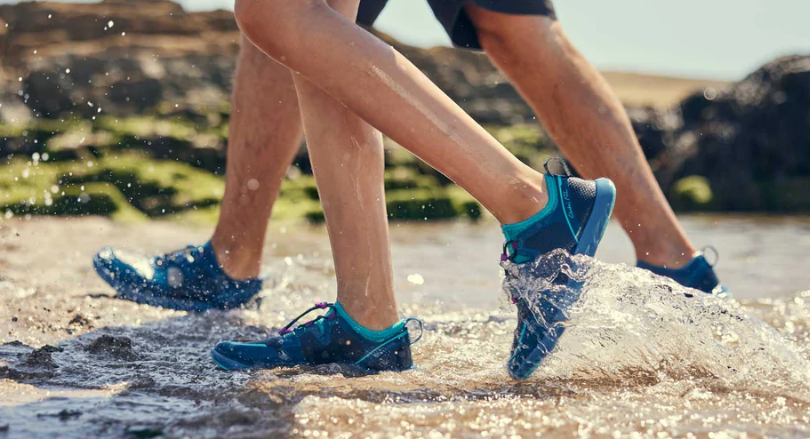
Choosing the right footwear can make a big difference, especially when your plans involve water. Whether you’re heading to the beach, planning a river hike, or just looking for comfortable protection in wet environments, it’s important to know how water shoes differ from your everyday sneakers. This guide breaks down what sets them apart and when to choose each.
What Are Water Shoes?
Water shoes are purpose-built footwear designed to be worn in wet environments. They’re typically made from fast-drying materials like mesh or neoprene and include features that allow water to drain easily. These shoes protect your feet from sharp rocks, slippery surfaces, and hot sand while still allowing you to move freely in and out of the water.
Key Features of Water Shoes
- Quick-Drying Materials: Prevents water from soaking in and weighing you down
- Drainage Channels or Mesh Panels: Allows water to flow out easily
- Rubber Soles: Provide extra grip on wet or uneven surfaces
- Lightweight Design: Enhances comfort and flexibility during active use
- Foot Protection: Shields feet from sharp coral, shells, or hot sand
See also: Elevating Media Production Standards
What Are Regular Shoes Designed For?
Regular shoes are typically made for dry, land-based environments. They prioritise style, cushioning, and long-term wear. Materials like canvas, leather, and synthetic fabrics aren’t designed to handle constant exposure to water. Wearing standard shoes in wet environments can lead to discomfort, heavy water retention, and faster wear and tear. For wet conditions or hybrid use, it’s better to opt for water shoes that are engineered for such challenges.
Water Shoes vs Regular Shoes: A Side-by-Side Comparison
- Water Resistance: Water shoes are built to get wet; regular shoes are not
- Drying Time: Water shoes dry quickly; regular shoes stay damp
- Grip: Water shoes have soles that perform well on slippery surfaces
- Foot Protection: Both offer protection, but only water shoes are made to handle wet hazards
- Breathability: Water shoes are often more breathable due to mesh construction
- Use Case: Water shoes for swimming, hiking through streams, or boating; regular shoes for everyday wear
When Should You Choose Water Shoes Over Regular Shoes?
If your activity involves water, sharp terrain, or wet surfaces, water shoes are the better option. They’re ideal for kayaking, paddleboarding, beach walks, and exploring rocky coastlines. They also help prevent slips and blisters caused by wearing soaked regular shoes.
Can Water Shoes Be Used on Land Too?
Yes, many modern water shoes are designed with enough cushioning and sole grip to be used on dry land as well. They’re especially useful for trips that combine hiking and swimming, or for travellers who need versatile, packable footwear.
Parting Advice
Water shoes and regular shoes serve very different purposes. While everyday sneakers are built for comfort and style on land, water shoes provide safety, performance, and ease when wet conditions are involved. Investing in the right pair ensures you’re equipped for every step whether on a beach, boardwalk, or boat.