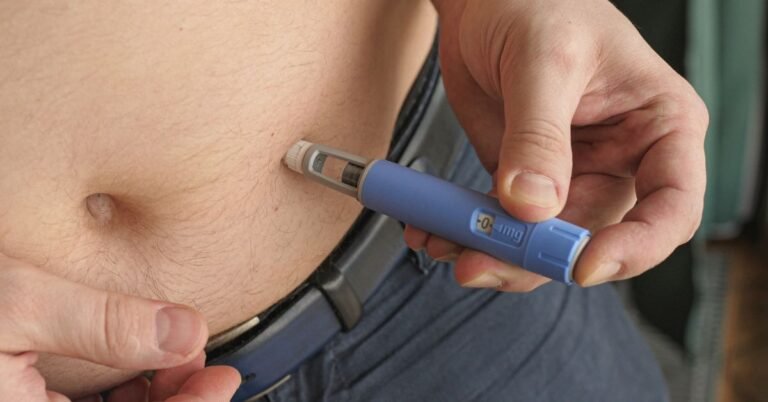
Wegovy or Zepbound? What the Head-to-Head Data Says

On the strongest direct evidence available, tirzepatide (Zepbound) produced greater average weight loss than semaglutide (Wegovy) in the one randomized trial that compared them head to head, published in 2024. That is the short answer to zepbound vs wegovy. The longer answer matters more: the gap is an average across groups, individual response varies widely, side effect tolerance differs, and cost and access often decide the choice before efficacy does. A larger trial number does not guarantee a larger result for any one person.
Was there actually a head-to-head trial?
Yes, and this is where most comparisons go wrong. For years, people lined up numbers from the STEP program for semaglutide next to numbers from the SURMOUNT program for tirzepatide and treated the difference as a matchup. It was not. Those were separate trials with different participants, different designs, and different comparators, so their headline figures cannot be subtracted from one another honestly.
The exception is a 2024 randomized trial that put the two drugs against each other in adults with overweight or obesity. It reported greater weight reduction with tirzepatide than with semaglutide over the study period. That is a genuine head-to-head signal, and it points in tirzepatide’s favor on average. It is one trial, though, and one trial is a data point, not a verdict.
What did each drug’s own program show?
The tirzepatide obesity program is anchored by SURMOUNT-1, which tested the drug against placebo and reported large average weight reductions that scaled with dose. A separate trial, SURMOUNT-CN, studied tirzepatide in Chinese adults with obesity and found similar direction of effect in a different population. Both are placebo-controlled, so they tell you how tirzepatide performs against nothing, not against semaglutide.
Semaglutide’s evidence base grew through the STEP trials. STEP 8 compared weekly semaglutide against daily liraglutide, an older injectable, and semaglutide came out ahead on weight loss. That is useful for placing semaglutide among GLP-1 options, but liraglutide is not tirzepatide, so it does not settle the two-brand question either.
How do the two compare on paper?
| Feature | Wegovy (semaglutide) | Zepbound (tirzepatide) |
|---|---|---|
| Mechanism | GLP-1 receptor agonist | GIP and GLP-1 receptor agonist |
| Anchor obesity trial | STEP program | SURMOUNT program |
| Direct comparison | Lower average loss in the 2024 head-to-head | Higher average loss in the 2024 head-to-head |
| Dosing | Weekly injection | Weekly injection |
| Studied beyond weight | Cardiovascular outcomes | Obstructive sleep apnea |
The mechanism difference is the most cited explanation for the efficacy gap. Tirzepatide acts on two receptors rather than one, and the working theory is that the added GIP activity contributes to the stronger average effect. That is plausible and consistent with the data, but it is not a guarantee at the level of a single patient.
Does either one hold up when you stop?
This is the question people ask too late. Both programs studied what happens when treatment is interrupted, and the answers are sobering in the same direction. The STEP 4 trial withdrew semaglutide after an initial phase and saw participants regain a meaningful share of lost weight. The SURMOUNT-4 trial did the equivalent for tirzepatide, switching part of the group to placebo, and again weight came back.
The practical reading is that neither drug is a short course. Both behave like ongoing treatments for a chronic condition, and a plan that assumes a few months and then stopping is likely to end in regain. That reality should shape budget and expectation before it shapes the brand choice.
What about effects beyond the scale?
The two have been studied for different secondary benefits, which sometimes tips a decision. Tirzepatide was tested specifically in obstructive sleep apnea with obesity and showed improvement in that condition, which can matter for someone whose sleep apnea is a driving concern. Semaglutide has a larger body of cardiovascular outcome data behind it. These are not interchangeable strengths, and a prescriber weighing a specific coexisting condition may reasonably prefer one over the other regardless of the average weight numbers.
How should the numbers actually be read?
Carefully. A trial reporting a higher mean weight loss is describing the middle of a wide distribution. Some participants lost far more, some far less, and a fraction barely responded. The dose reached matters, and many people never reach the top dose because of gastrointestinal side effects, which are common with both drugs and tend to be strongest during dose increases. Tolerability, in other words, can quietly overrule the paper advantage.
The prescribing information for each drug lays out the dose titration schedule and the warnings, and reading the actual labels for tirzepatide products such as Zepbound and Mounjaro is more useful than any summary. The label is where the boxed warning about thyroid C-cell tumors and the contraindications live, and those are decision inputs, not fine print.
Where does cost and access enter?
Often first, whatever the trials say. Both carry high list prices, insurance coverage for weight management is inconsistent, and the drug a person can actually get and keep getting is frequently the one that wins by default. Some people compare brand self-pay programs against compounded versions of the same molecules, and it helps to understand that compounded semaglutide and tirzepatide are prepared by compounding pharmacies and are not FDA-approved products, so they were not part of the trials described above. Supervised telehealth practices publish flat monthly pricing for compounded options, and as FormBlends explains, prescribing in that model is handled by a licensed clinician rather than sold as a shelf product. Comparing that route to brand self-pay is a legitimate exercise as long as the regulatory difference stays in view.
Directly from the makers, Wegovy comes from Novo Nordisk and Zepbound from Eli Lilly, with Lilly also running direct self-pay access through LillyDirect. Telehealth names such as Ro, Hims and Hers, and Henry Meds sit in the same field. None of that changes the trial evidence; it changes which evidence a given person can act on.
Key takeaways
- The one direct head-to-head trial favored tirzepatide on average weight loss, but it is a single study describing groups.
- STEP and SURMOUNT are separate programs, not a matchup, so do not subtract their numbers.
- Both drugs lead to regain when stopped, so both are long-term treatments.
- Tirzepatide has sleep apnea data; semaglutide has more cardiovascular outcome data.
- Compounded versions are not FDA-approved and were not in these trials.
See also: So… Can You Actually, Legally Buy NAD+ and NMN Right Now?
Frequently asked questions
Is there a real head-to-head trial between the two?
Yes, one. The SURMOUNT-CN trial and the SURMOUNT program compared tirzepatide against placebo, but a 2024 randomized trial directly compared semaglutide and tirzepatide for weight loss and found greater average weight reduction with tirzepatide.
Does the bigger average number mean it will work better for me?
Not necessarily. Trial averages describe groups, not individuals. Response varies widely, and side effect tolerance, dose reached, and consistency of use often matter more than the headline percentage for any single person.
Are STEP and SURMOUNT the same study?
No. STEP is the semaglutide trial program and SURMOUNT is the tirzepatide program. They were run separately with different designs and populations, so comparing their published numbers side by side is not a head-to-head result.
What happens if the medication is stopped?
Both programs studied this. Maintenance trials for each drug showed that stopping or switching to placebo led to substantial regain, which is why both are framed as long-term treatments rather than short courses.
Is compounded tirzepatide or semaglutide the same as the brand?
No. Compounded versions are prepared by compounding pharmacies and are not FDA-approved products. They may share the active molecule but were not part of the trials that generated the published evidence.