Common AC Problems in Holden Cars — What Usually Goes Wrong
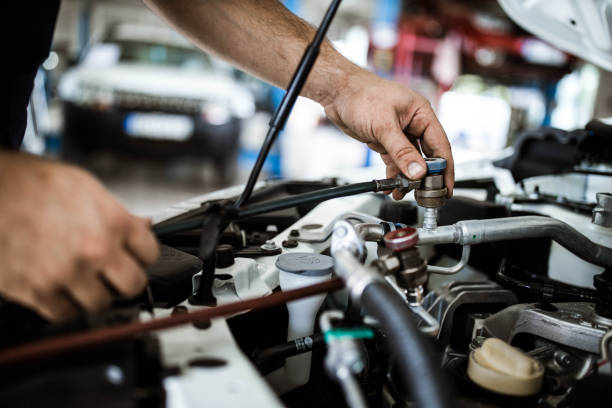
The air conditioning system in Holden vehicles is designed to withstand Australia’s demanding climate, but like any mechanical system, it can develop faults over time. Many Holden owners eventually face issues such as warm air, weak cooling, refrigerant leaks, or strange noises. While these symptoms may appear similar, they often point to very different underlying causes. Understanding what typically goes wrong helps pinpoint whether the problem lies in the compressor, condenser, hoses, or clutch.
This guide explains the most common AC problems seen in popular Holden models such as the Commodore VE/VF, Cruze, Astra, Colorado, and various utes. By recognising how these issues develop and how they present, drivers can identify whether they need a replacement component such as a Holden AC compressor or another AC part.
1. Compressor Failure in Holden Commodore VE/VF Models
One of the most frequent AC issues in Holden vehicles—especially the Commodore VE and VF—is compressor failure. The compressor is the heart of the AC system, and when it begins to break down, the entire cooling performance suffers. Over time, the internal bearings can wear, valves can stick, and the compressor may start generating metal shavings that spread through the rest of the AC lines.
How It Shows Up
Common signs of compressor failure include:
- Air that feels warm or only mildly cool
- Intermittent cooling, especially during long or hot drives
- Grinding or rattling noises from the engine bay when the AC is on
- Signs of oil or refrigerant leakage around the compressor
Many Commodore owners experience early signs where the AC cools only sometimes, particularly if the compressor clutch is beginning to slip. If the clutch fails completely, the compressor stops engaging even though the AC light is on inside the cabin.
Why It Happens
High mileage, extreme heat, insufficient lubrication, and general wear contribute to compressor breakdowns. Because a failing compressor can release metal debris into the system, replacing only the compressor without addressing the rest of the AC components may not be enough. In many cases, a full system flush and filter replacement are needed to prevent repeated failures.
When the compressor is the source of the problem, choosing a quality replacement from the Holden AC compressor range ensures proper fitment and long-term reliability.
2. Hose Failures and Refrigerant Leaks in Holden Utes
Holden utes such as the Colorado, Rodeo, and Commodore utes frequently experience hose-related issues. The high-pressure and low-pressure AC hoses are exposed to engine heat, vibration, and environmental factors, making them especially vulnerable to deterioration and cracking.
How It Shows Up
Hose leaks commonly manifest as:
- Warm air from the vents despite the AC being switched on
- Hissing sounds from the engine bay during start-up
- Oily residue around hose joints or fittings
- Frequent need for re-gassing, often due to slow leaks
Many drivers mistake hose leaks for compressor issues because both lead to reduced cooling. However, hose failures usually cause cooling to drop off gradually rather than intermittently.
Why It Happens
AC hoses carry refrigerant under constant pressure. Over time, rubber sections harden or crack, especially in vehicles exposed to harsh heat or long driving hours. Once a hose begins leaking, the system can no longer maintain proper refrigerant pressure, resulting in loss of cooling and eventual compressor strain.
See also: Where Geek Culture Meets Technology and Entertainment!
3. Condenser Leaks in Sedans and Utes
Across many Holden models—from the Cruze and Commodore to the Colorado and Captiva—condenser leaks are another common complaint. Since the condenser sits at the very front of the vehicle, it is constantly exposed to road debris, stones, corrosion, and dirt.
How It Shows Up
Condenser failure usually presents as:
- Reduced or no cooling, especially during hot weather
- Oil or dye marks around the condenser’s fins
- AC that cuts out because pressure levels cannot be maintained
- Higher load on the compressor, which can lead to early failure
A leaking or blocked condenser prevents the refrigerant from cooling properly, meaning the system cannot deliver cold air no matter how much gas is added.
Why It Happens
The thin aluminium fins of Holden condensers are easily punctured by small rocks or debris. In coastal regions, corrosion can develop faster, leading to pinhole leaks. Once the condenser leaks, replacement is the only effective solution.
4. Compressor Clutch Issues in Smaller Holden Models
Smaller Holden models—such as the Cruze, Astra, Barina, and Trax—often encounter problems with the compressor clutch rather than the compressor itself. The clutch engages the compressor when cooling is required. If it begins to fail, the AC output becomes inconsistent.
How It Shows Up
Symptoms of clutch problems include:
- Cooling that comes and goes, especially at idle
- Clicking sounds without consistent engagement
- AC performing better while driving than when idling
- Burnt smell if the clutch is slipping excessively
These symptoms are typically electrical or mechanical in nature, such as a worn friction plate or burned coil.
Why It Happens
Over time, heat and wear can damage the clutch or its coil. While the clutch can sometimes be replaced independently, many owners choose to replace the entire compressor to avoid recurring problems.
A suitable replacement can be found in the Holden AC compressor section to ensure compatibility and proper performance.
5. Intermittent Cooling Caused by Electrical or Sensor Problems
Not all AC issues in Holden cars are caused by leaks or compressor failures. Many involve electrical faults, especially in models with ageing wiring or worn sensors.
These issues include:
- Faulty pressure switches
- Blower motor resistor failures
- Temperature sensor inaccuracies
- Loose or corroded wiring connections
How It Shows Up
Typical symptoms include:
- AC working at some fan speeds but not others
- Cooling that cuts out and comes back randomly
- Blower motor making unusual sounds
- AC button flickering or turning off on its own
Electrical faults can mimic compressor problems, so accurate diagnosis is important.
How to Identify the Root Cause of Your Holden AC Issue
Because many AC faults share similar symptoms, understanding what each issue looks like helps narrow down the cause:
- Grinding or rattling noise → compressor failure
- Oil staining near hose fittings → hose leak
- Weak cooling on hot days → condenser leak or blockage
- Cooling only sometimes → compressor clutch issue
- Cooling only while driving → blower motor or electrical problem
Drivers who want professional support can learn more about installation, diagnosis, and repairs through Our services, or speak with a technician directly via Contact us.
Final Thoughts
Holden vehicles deliver strong performance, but their AC systems are exposed to constant heat, vibration, and environmental stress. Whether the issue is a failing compressor, leaking hose, damaged condenser, or faulty clutch, early detection prevents bigger and more costly damage.
By recognising the common AC problems in Holden vehicles, drivers can better identify whether they need a simple hose replacement or a new Holden AC compressor. When repairs are handled properly—especially with quality replacement components—the AC system returns to reliable, efficient operation.
For part replacements, expert installation, or system diagnostics, Holden owners can rely on Ozcool Auto’s specialised support.