RUD Lugs Explained: Safe Use for Structural Lifting
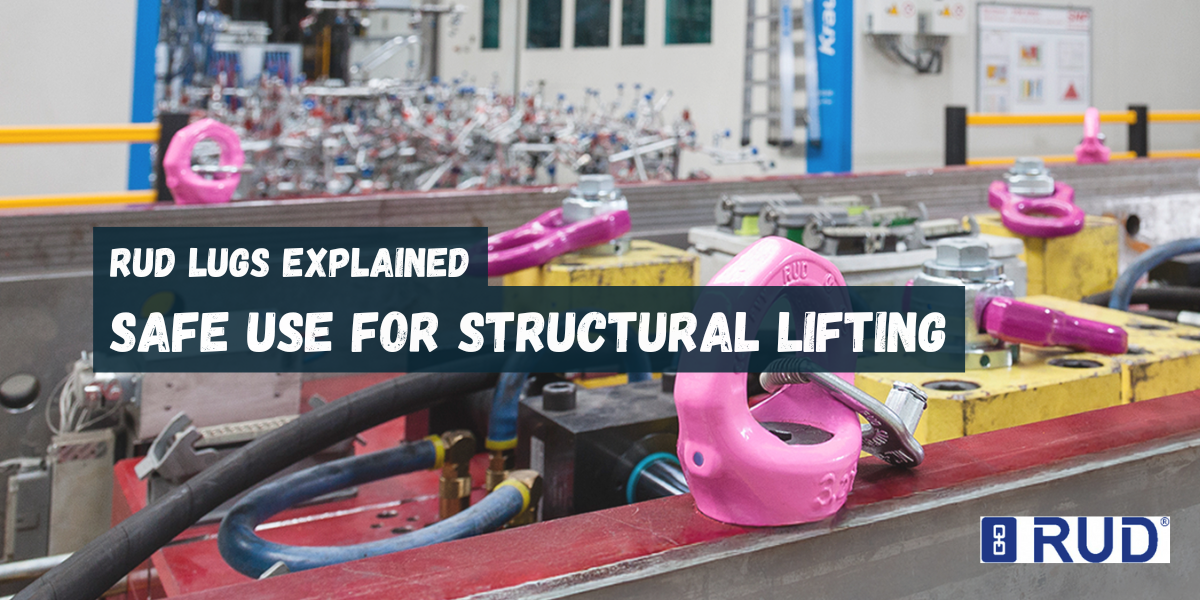
RUD lugs give riggers and engineers a secure way to lift heavy structural loads. These lifting lugs bolt or weld directly onto steel, machinery, or precast concrete. And once attached, they create a fixed point for shackles, slings, and crane hooks to connect.
RUD Chains manufactures these lifting points at its Brisbane facility, with over 140 years of experience behind every product. You’ll find their RUD lifting lugs on mining equipment across the Pilbara, defence vehicles in Ipswich, and infrastructure projects from Brisbane to Perth.
This guide explains the different types of lifting points, how to choose between welded and bolted options, and the safety checks required before every lift. Let us begin with the basics.
Types of RUD Lifting Points and Lashing Points
RUD offers two main types of attachment points: lifting points for crane work and lashing points for securing cargo. Now you might be wondering which type suits your job best. Well, it comes down to whether you’re raising a load off the ground or holding it steady during transport.
Here’s what we mean by that:
Lifting Points for Crane and Rigging Work
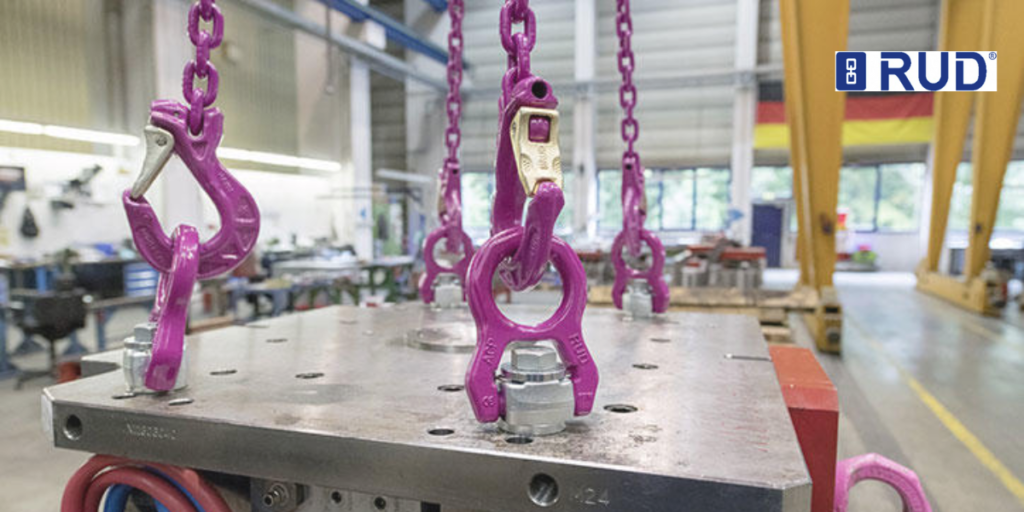
Lifting points handle vertical and angled loads during crane operations. They attach directly to the structure, which gives riggers a connection for hooks, shackles, and slings.
RUD swivel and rotating lifting points also allow the load to move freely without twisting your rigging. This reduces wear on your gear and makes multi-angle lifts easier.
Lashing Points for Transport and Cargo
Lashing points serve a different purpose. Instead of lifting, they secure cargo on trucks, ships, or rail (this mix-up causes more rejected lifts than you’d think). RUD lashing points handle high pull forces in multiple directions to keep freight stable from one location to another.
Weld-On Lifting Lugs vs Bolted Lifting Lugs
Should you weld it on permanently or bolt it for flexibility? The answer depends on how you plan to use the lug over the long term. In most cases, the job will clearly favour one option, so you need to understand the differences early to save time and to prevent rework on site.
For your convenience, we’ve provided a quick table to outline the main differences:
| Factor | Weld-On | Bolted |
| Attachment | Permanent | Removable |
| Best For | Fixed structures, heavy repeated loads | Modular setups, reusable applications |
| Installation | Certified welding required | Standard fasteners |
Weld-on lifting lugs bond permanently to steel through certified welding. Once in place, they handle repeated heavy loads without loosening. If you’re looking for mining equipment or structural steel that stays put, this is the way to go.
Bolted lifting lugs, on the flip side, provide more flexibility. You can remove and reposition them as needed, which works well for modular builds or equipment moving between sites. Your choice comes down to load frequency, structural material, and whether a permanent or temporary attachment fits the job.
Safe Use Guidelines for RUD Lifting Lugs
Safe use guides start with checking load limits, inspecting for damage, and following Australian standards every single time. Since most lifting lug failures come from overlooked inspections, you certainly shouldn’t risk skipping these steps.
Here are the checks you should run before every lift:
- Always check the working load limit (WLL) before each lift. Never exceed the rated capacity, even if the load looks lighter.
- Inspect lugs for cracks, corrosion, or deformation before use. From our experience working with riggers across Queensland, damage often appears after repeated heavy lifts (cracks can develop invisibly under paint or grime, so a visual check alone won’t cut it).
- Follow ASME BTH-1 and RUD’s installation guidelines for rigging angles, proof testing, and fitment.
- Keep documentation for every lifting lug. Traceability records help during audits and make tracking service history across your fleet easier.
If you stay consistent with these checks, hopefully, your lifting lugs will perform safely for years.
Quick tip: The Lifting Equipment Engineers Association also publishes useful guidance on below-the-hook devices.
Why Engineers Trust the RUD Team for Structural Lifting
Engineers trust the RUD team because of their deep experience, local manufacturing, and hands-on technical support. Believe it or not, RUD has been building lifting and chain technology for over 140 years.
That level of experience comes from decades of solving real problems for miners, defence contractors, and infrastructure builders worldwide.
In Australia, the RUD team works from their Brisbane facility, where they manufacture Grade 120 ICE chains and VIP Grade 100 products for local industries. A local base also means faster delivery times, direct access to engineering support, and equipment designed for Australian conditions.
What’s more, the team has seen firsthand how the right lifting solution speeds up projects and reduces downtime. So they can help you choose the correct load capacity, advise on the most suitable attachment method, and provide technical support whenever it is required.
Get the Right RUD Lifting Points for Your Next Project
The right RUD lifting points match your load requirements, attachment method, and industry conditions. Now that you understand how RUD lugs work and how to use them safely, choosing the correct product becomes much easier.
RUD lifting points suit a wide range of industries across Australia. Mining operations in the Pilbara, defence projects in Ipswich, infrastructure builds in Sydney, and power generation facilities in Queensland all rely on RUD products. Whatever the job, there’s a lifting lug designed for it.
If you are ready to find the right fit, contact the RUD team in Brisbane for product recommendations and technical guidance for your next lift.