Laser Cleaning in Action: From Rusty Steel to Historic Stone
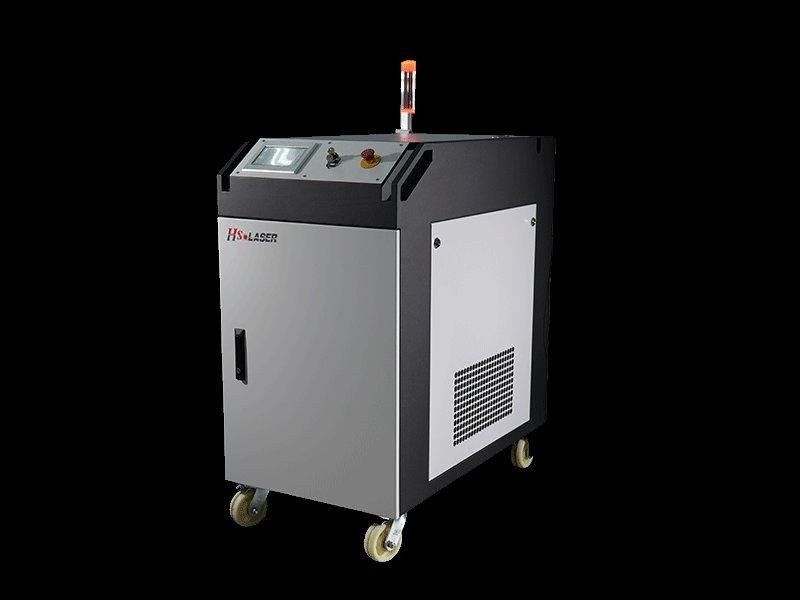
Laser cleaning is one of those technologies that sounds impressive in theory and even better in practice. A beam of light removes rust, paint and grime from a surface without touching it, leaving the material beneath clean and undamaged. But where is it actually used? The answer covers a surprisingly wide range, from shipyards and car factories to museums and mould shops. Each application asks something different of the machine, which is why choosing a laser cleaning machine manufacturer with experience in your field matters so much.
Rust Removal in Industry
Rust is the most common job for laser cleaning machines. Steel structures, machinery, vehicles and pipelines all corrode over time, and the rust must come off before the part can be repaired, painted or welded. Traditional methods such as sandblasting or grinding remove rust, but they also remove good metal, create dust and leave a rough surface. Laser cleaning lifts the rust away selectively, leaving the sound metal beneath intact. Because many cleaning systems are portable, the operator can take the machine to a bridge, a tank or a piece of plant machinery rather than dismantling it. A laser cleaning machine manufacturer that supplies industry will usually offer machines in a range of powers, since a thin film of surface rust needs far less energy than thick, flaking corrosion.
Mould Cleaning Without Wear
Injection moulds are expensive tools with highly polished surfaces. Even a small amount of residue or release agent can spoil the finish of the parts they produce, so moulds must be cleaned regularly. Abrasive cleaning damages the polish, and chemical cleaning takes time and creates waste. Laser cleaning solves the problem by removing residue without touching the mould surface at all. The beam can reach into ribs and cavities that are hard to clean by hand, and the mould can often be cleaned in place without removing it from the machine. For a mould shop, that means less downtime and a longer mould life, which is why many mould makers now talk to a laser cleaning machine manufacturer before replacing a worn mould.
Preparing Surfaces for Welding and Painting
A clean surface is essential for a good weld or a lasting coat of paint. Oil, oxide and old paint all weaken the bond, so preparation is a large part of the work. Laser cleaning prepares steel plate, pipes and structures quickly and evenly, and because it removes only the contamination, the surface keeps its correct profile. Shipyards use it to prepare hulls, fabricators use it before welding, and maintenance teams use it to strip old coatings from tanks and bridges. In each case the advantage is the same: the surface is clean, dry and ready, with no grit or chemical residue left behind to cause trouble later.
Heritage and Conservation
Some of the most delicate laser cleaning work happens on historic buildings and artefacts. Stone facades blackened by decades of soot, bronze statues covered in corrosion and marble carvings dulled by grime can all be cleaned with a laser, because the settings can be made gentle enough to remove only the dirt. Conservators value the control the process gives them: they can clean a small area, check the result and adjust before continuing. This careful, reversible approach is very different from abrasive cleaning, which can never be undone. A laser cleaning machine manufacturer working with conservators needs patience and a willingness to test on samples first.
Other Everyday Uses
Beyond these main areas, laser cleaning turns up in many other places. It removes coatings from aircraft components, cleans electrical contacts, strips paint from car body panels before repair and cleans food processing equipment without chemicals. Tyre moulds, printing rollers and engine parts are all cleaned with lasers in workshops around the world. The common thread is always the same: a surface that must be clean but must not be damaged.
5 Places Laser Cleaning Works Best
- Rust removal: steel structures, machinery and vehicles.
- Mould cleaning: polished surfaces cleaned without wear.
- Surface preparation: welding and painting on clean metal.
- Heritage: stone, bronze and marble cleaned gently.
- Maintenance: coatings stripped from tanks, pipes and hulls.
Choosing the Right System for Your Application
Not every cleaning job needs the same machine. A museum conservator and a shipyard work with the same technology but very different requirements, and the machine must match the task. Before you buy, talk through your work in detail with a laser cleaning machine manufacturer. Describe your materials, your worst cases and how often you clean. A good laser cleaning machine manufacturer will recommend the lowest power that does your work properly, rather than the most expensive model. Ask for a demonstration on your own parts, and pay attention to how the laser cleaning machine manufacturer explains the settings. Clear, honest advice at this stage is a good sign of the support you will receive later, and it helps you choose a system that fits your work instead of fighting against it.
See also: Innovative Approaches to Precision Concrete Cutting: Trends, Techniques, and Safety
Frequently Asked Questions
Can laser cleaning handle heavy rust?
Yes, with the right power level. Thick, flaking rust needs a stronger setting and sometimes more than one pass, while light surface rust cleans quickly.
Is laser cleaning suitable for large surfaces?
Yes. Portable systems with a wide cleaning path can cover large flat areas, and the operator simply works across the surface in steady passes.
Does laser cleaning work on stone and other non-metals?
Yes. Stone, marble, bronze and ceramics can all be cleaned, provided the settings are chosen carefully for the material.
Final Thoughts
Laser cleaning earns its place wherever a surface must be clean but not damaged. From rusty steel to historic stone, the same principle applies: remove only what should not be there. If your work involves cleaning, preparation or restoration, a conversation with a laser cleaning machine manufacturer is a good place to start. Before you spend anything, ask a laser cleaning machine manufacturer to demonstrate the process on your own parts: a good laser cleaning machine manufacturer will explain the settings in plain language.